
250kg
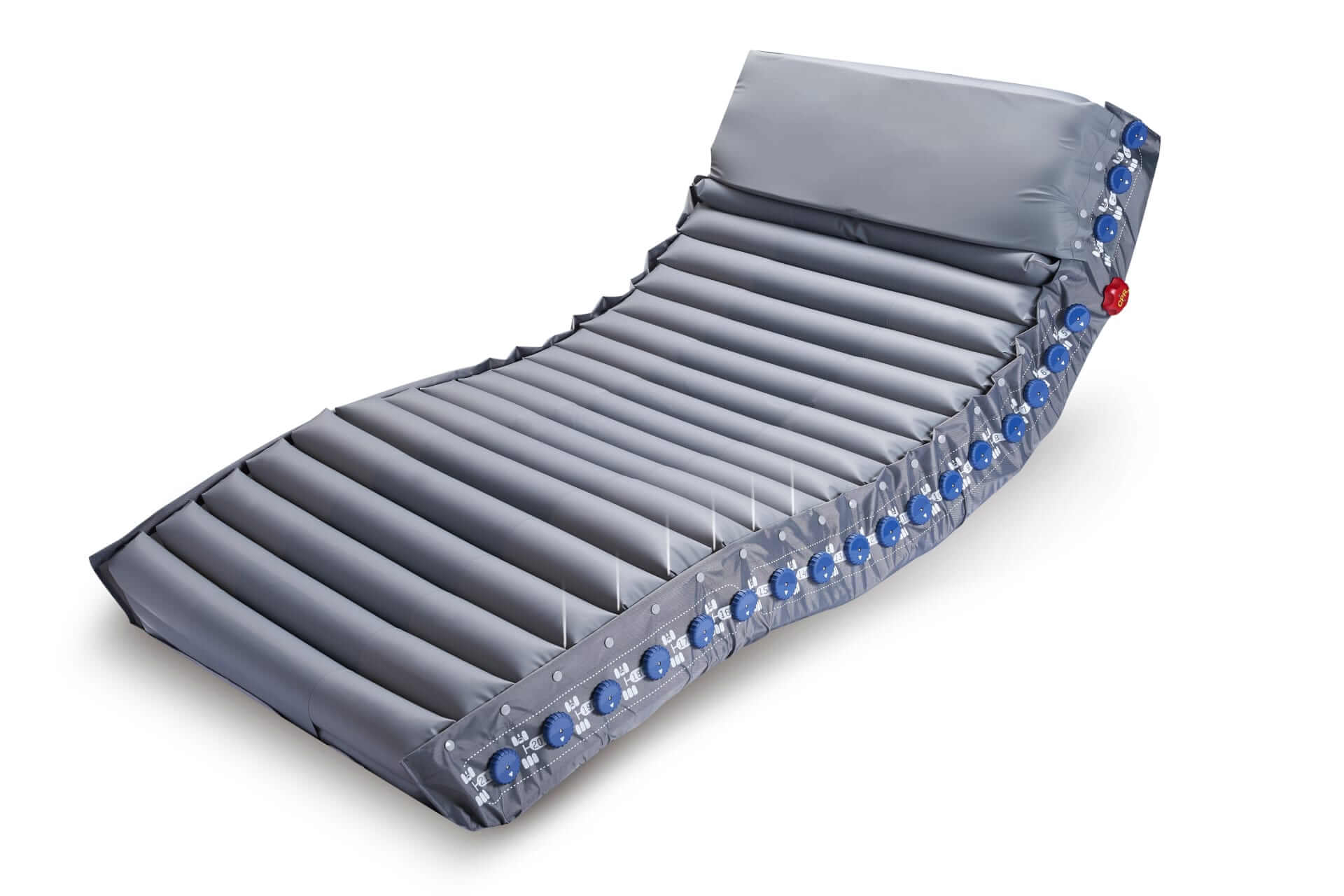
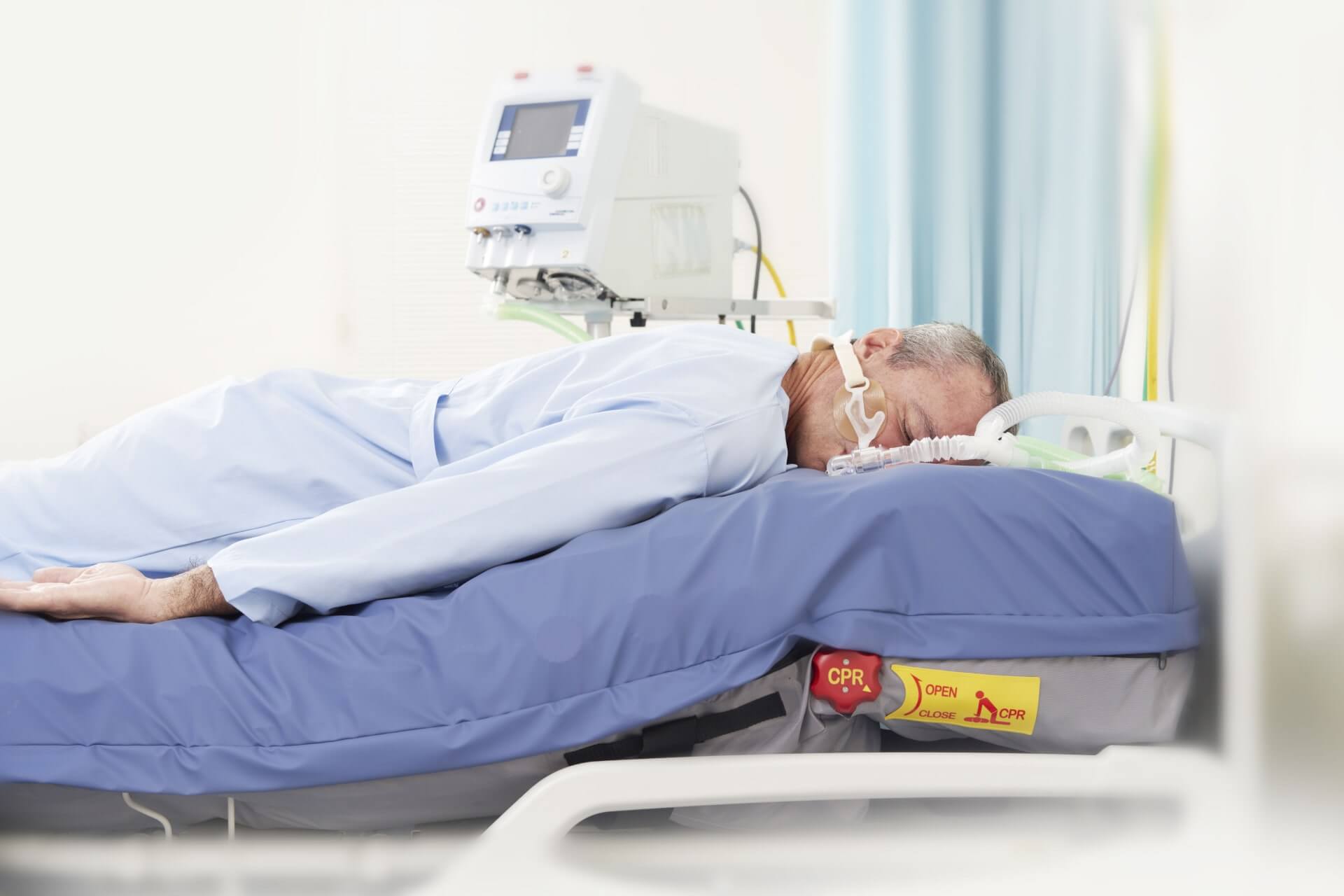
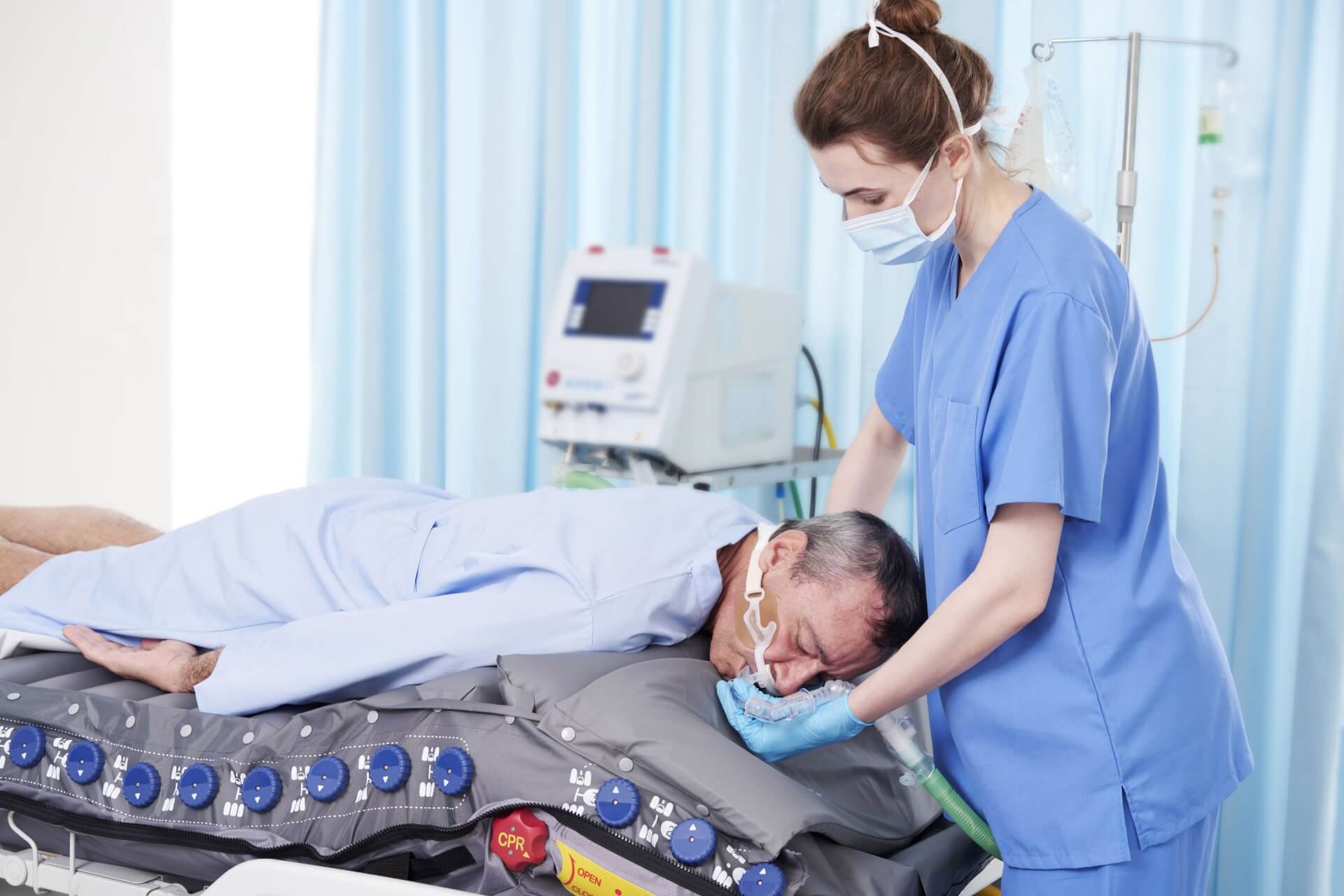
For High to Very High Risk Prone Position Pressure Injury Solution — Automating and optimizing prone shoulder lifting and full-body pressure relief. Abbreviations: ARDS, acute respiratory distress syndrome; PPV, prone positioning ventilation. ARDS accounts for 10% of ICU admissions and 40% of hospital mortality and often requires mechanical ventilation and over 4 weeks of hospitalization. PPV quickly and significantly improves ARDS patients' mortality rate, associated complications risk, and invasive intubation prevention.1-4 Traditional head repositioning and pressure injury prevention during prone positioning are highly complex and labor-intensive. They increase the risk of injuring caregivers and patients significantly, diminishing care quality and crippling the already-insufficient healthcare resources and efficiency. Optima Prone optimizes caregivers' workflow and care quality. Its mechanical shoulder lifting supports single-caregiver head turning, and customizable individual air cell firmness combined with proprietary pressure relieving headrest ensures full-body pressure injury prevention.
▶Watch it in actionSpecifications & funding report dataWarranty, ISO, ARTG, service life and lead times — everything for your report↓From the manufacturer
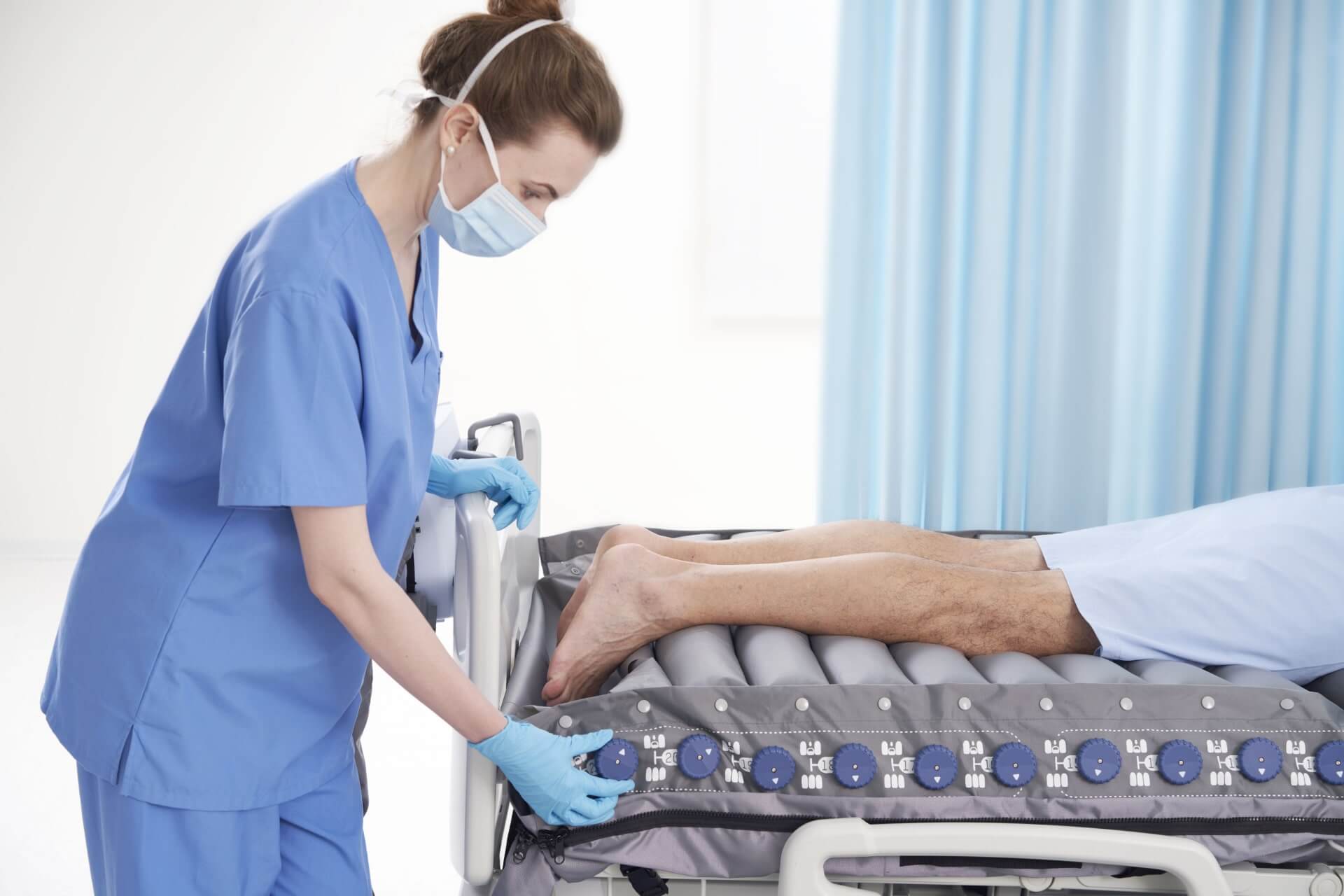
Prone positioning creates an entirely different pressure map, and that is the whole reason this surface exists. Turning a patient face-down changes which tissue carries load. The sacrum and heels — the sites every standard mattress is designed around — come off the surface completely. In their place the load moves to the face, the ears, the chest, the iliac crests, the knees and the dorsum of the feet. Facial and ear pressure injuries are a well-documented complication of prolonged prone positioning, and they occur on tissue with almost no subcutaneous padding over cartilage and bone, where even brief unrelieved loading does damage. A conventional alternating mattress does nothing about that, because it was never designed for it. The Optima Prone addresses it directly. The proprietary headrest layers a soft facial pillow with a sculpted ear pocket over the air cells, so the ear sits in a void rather than being compressed against the surface. The mattress is zoned into head, torso and lower leg, and knobs along its length let a carer manually inflate or deflate individual cells to offload a specific vulnerable area — which matters because in prone the high-risk points vary considerably with body habitus and with how the patient has been positioned. The published pressure data is unusually specific and worth quoting in a submission. In continuous low pressure mode the interface pressure sits between 21.0 and 22.4 mmHg, and 100% of interface pressures across the 30-minute cycle remain below 32 mmHg — the figure conventionally cited as capillary closing pressure. Alternating mode uses 1-in-2 cycling with four cycle times available: 10, 15, 20 or 25 minutes. Capacity is 550 lb, approximately 250 kg. This is a specialised surface for a specialised situation. Where prone positioning is not part of the care plan, a conventional alternating system is the correct prescription.
We aim to make our range as accessible as possible. Some products may not be available in all areas — please contact BMS Plus to confirm availability and discuss suitable options.
Product detail

Everything needed to justify this equipment in an NDIS, DVA or Home Care Package report.